Netanyahu Gains Freedom to Strike Iran After Election Stalemate
Political gridlock in Israel and upcoming US midterms create a narrow window for a new offensive against Tehran.
By Josephine Clarke ·
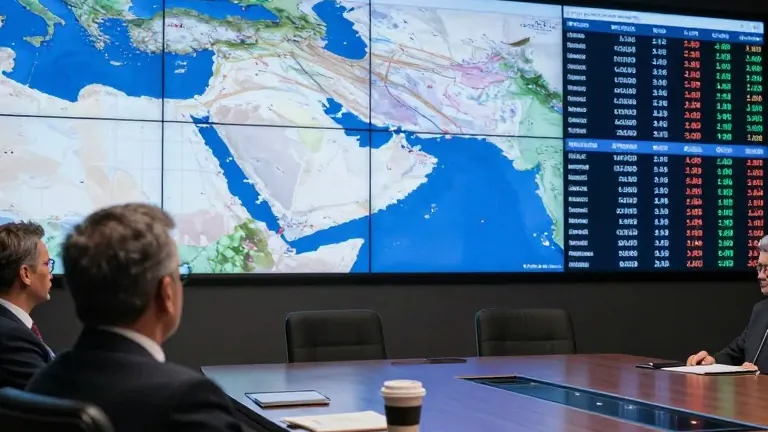
Benjamin Netanyahu now holds the strategic initiative to renew military operations against Iran, a position secured by an unexpected deadlock in the Israeli elections held on October 27. The result leaves his bloc in the minority, yet the political impasse prevents the opposition from forming a government quickly enough to constrain his military options before the United States holds its midterm elections on November 3.
The path to a new conflict was previously blocked by two specific objections. President Donald Trump opposed an attack prior to the US midterm vote, and IDF Chief of Staff Lt.-Gen. Eyal Zamir resisted a strike before the Israeli election. Both obstacles are now removed. Trump has previously signaled interest in resuming strikes immediately after November 3, while Zamir’s primary concern was protecting the integrity of the Israeli vote from potential Iranian counterstrikes.
The opposition camp faces a procedural hurdle that buys Netanyahu time. Avigdor Liberman, leader of the Yisrael Beytenu party and an ally of Yashar leader Gadi Eisenkot, will not begin serious coalition talks until Friday, October 31. On that date, final vote results will be confirmed, forcing Liberman to decide between a deal with the Israeli-Arab parties, a deal with Netanyahu, or a second round of elections. Even if he chooses a partner, the negotiations required to form a government typically take weeks or months, far exceeding the four days remaining until the US midterms.
Zamir is prepared to attack Iran under two conditions. First, Iran must be on the verge of striking Israel. Second, the United States must restart the war first, providing Israel with full offensive and defensive backing. Zamir’s instinct is to strike only if Tehran begins recovering its threat capabilities too rapidly or if the attack is part of a calculated strategy to force nuclear concessions. He does not view Iran as having advanced significantly toward a substantial nuclear or ballistic missile threat since the US-Israeli airstrikes in June 2026 and early 2026.
Trump remains the main variable. He avoided an attack before the midterms because the ongoing conflict has dragged his party down in the polls. Post-midterms, unable to run for a third term, he may feel less restrained. However, his top advisers are largely against a return to war. Some believe a few days of conflict could loosen Iran’s position, while others argue that Tehran’s refusal to crack since February suggests further intensity will not sway them. Advisers have also warned that Iran is willing to keep firing after a ceasefire, potentially prolonging the conflict beyond a brief exchange.
Trump’s inconsistent shifts from economic pressure to military threats have undermined the credibility of his warnings in Tehran’s eyes. This pattern repeated in August and earlier in October. He may choose to continue the long-term strategy of economic wear-down rather than incur the price tag of another round of fighting. Alternatively, if Iran accepts his latest threat of force and offers a genuine deal on the nuclear issue, any attack would be delayed.
If Trump does favor an attack, the timing favors Netanyahu. With a Jewish majority in the vote count and the opposition camp still rallying, a return to war with Iran would refocus the national conversation. It would shift attention away from the October 7 trauma and the role of haredim in the IDF, both of which currently dominate public debate. Eisenkot and his allies may find it harder to cut a deal with the Israeli-Arab parties while ballistic missiles rain down on their constituents.
Netanyahu must justify the attack with more than vague statements about Iran’s progress. It is difficult to claim success in removing the nuclear threat in one sentence and then demand a new strike because time is running out. His explanation for a third round of conflict will determine the attack’s legitimacy among the wider Israeli public, especially if it happens during complex coalition negotiations.
Source: The Jerusalem Post