Targeted Repairs Beat Full Line Replacements in Packaging Economics
Facilities in Nevada are shifting from wholesale machinery purchases to component-level upgrades to preserve cash flow and maintain steady output.
By Lauren Mitchell ·
Replacing a full packaging line creates a heavy financial load for many manufacturers. The cost of new machinery is high, and the installation process often forces a halt to production. This gap between expense and downtime has pushed many Nevada businesses toward a different strategy. Instead of a total overhaul, these facilities are updating specific parts of their existing systems.
The primary driver for this shift is the financial burden of a complete replacement. A new line requires a large upfront investment. It also demands a period of zero output while technicians install and calibrate the new units. For companies with tight margins, this combination of cost and lost revenue is often too high a risk. A gradual approach allows owners to spread out spending while keeping the line running.
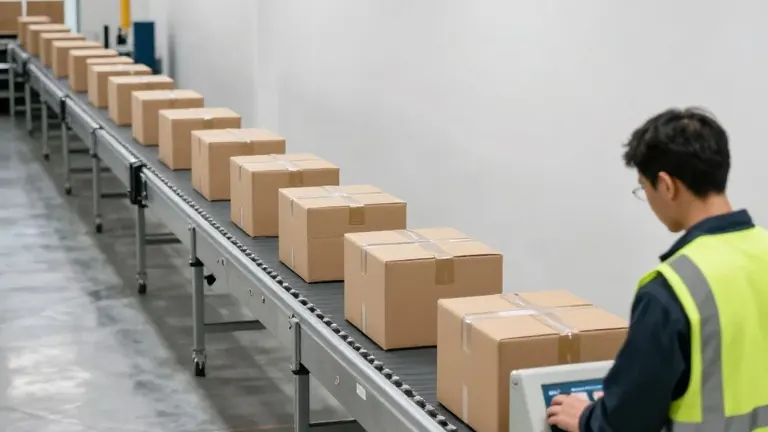
The first step in this process is a detailed audit of the current equipment. Managers must identify which components are failing and which are still performing well. They look for bottlenecks where one machine cannot keep pace with the next. For example, a conveyor might deliver products faster than a wrapping machine can handle. This mismatch creates backups that strain the rest of the line. Operators track these delays to pinpoint the exact source of the inefficiency.
Older machinery does not always need to be scrapped. A conveyor that operates reliably can serve for years with proper maintenance. Companies review maintenance records and repair costs to decide what to keep. They also check if existing units can accept newer technology. This assessment prevents unnecessary spending on equipment that is still functional.
Once the weak points are identified, businesses upgrade individual components. This might involve replacing worn rollers on a conveyor or updating the controls on a sealing machine. Some facilities add sensors to monitor product flow. These sensors can detect when a downstream station is unavailable and pause the incoming products. This simple change prevents pileups and reduces wear on the machinery.
Integrating new parts into an old line requires careful planning. Differences in speed or control systems can disrupt production. Buyers must check compatibility before purchasing. They compare the speed, weight capacity, and floor space requirements of the new unit against the existing infrastructure. A new wrapping machine must accept products at a rate that matches the conveyor. Technicians oversee the connection of controls to ensure the machines communicate correctly.
The financial logic behind this method relies on a clear return on investment. Owners calculate the cost of repairs against the cost of replacement. If a machine breaks down frequently, replacement may be cheaper in the long run. However, if a unit is reliable and cheap to maintain, keeping it is often the better financial choice. Companies also estimate savings from reduced waste and fewer interruptions. They compare these projected savings against the purchase and installation costs.
Implementation happens in stages to minimize disruption. Companies schedule work during periods of lower demand. They provide training to employees on the new controls and safety procedures. After each upgrade, managers track production data. They measure hourly output and count interruptions. This data tells them if the change worked or if further adjustments are needed. If the numbers improve, they move to the next component. If not, they make fine-tuning corrections before spending more.
This incremental approach allows facilities to extend the life of their current assets. It avoids the shock of a massive capital expenditure. Companies address specific problems as they arise. They use real operating data to guide their decisions. The result is a more stable production line that has been improved over time rather than rebuilt from scratch.
Source: Mesquite Local News
More Business · Scam Watch · Report a business · Got a Story?