DoorDash to Acquire Instacart for $17 Billion
The merger faces a federal antitrust review that could stretch into 2028, with critics arguing it would grant the combined entity near dominance in grocery delivery.
By Ruben Morales ·
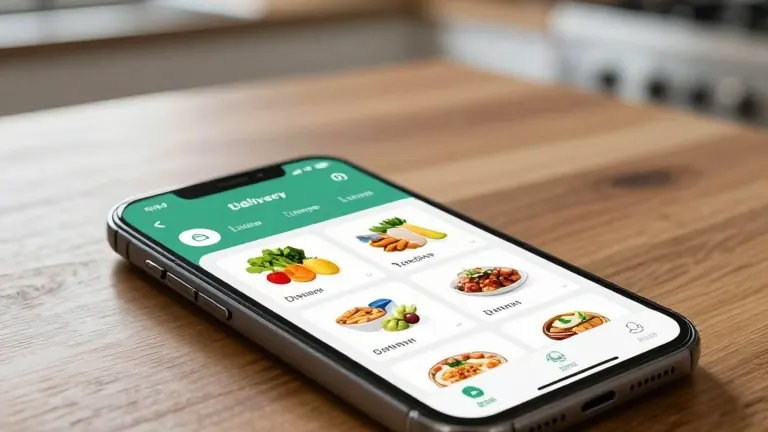
The consolidation of the digital delivery market reached a new threshold on Thursday when DoorDash announced it would purchase Instacart for approximately $17 billion. This move places two of the largest platforms for food and grocery delivery under a single corporate roof, a development that has already drawn scrutiny from federal regulators and state lawmakers.
According to Securities and Exchange Commission filings, DoorDash agreed to pay $65 per share in a mix of cash and stock. Stockholders may choose between $65 in cash, 0.3372 shares of DoorDash equity, or a blended offer of $48.75 cash plus 0.0843 shares. A 364-day bridge loan from JPMorgan Chase finances the transaction. Approximately 19 percent of Instacart shares have already been locked up with votes in favor of the deal.
The timeline for closing is uncertain. Both companies project the merger will finalize by the end of 2027 or in the first half of 2028. The process requires a shareholder vote and clearance from regulators in Canada and Israel. In the United States, the deal must survive the Hart-Scott-Rodino waiting period, during which antitrust authorities examine the merger for potential market harm. The agreement includes a breakup clause: if the deal fails due to antitrust issues, DoorDash owes Instacart $1.25 billion, while Instacart owes $650 million under specific conditions.
Proponents argue the merger will reduce costs for consumers. DoorDash states that customers paying for both DashPass and Instacart+ will pay a single membership fee, saving an estimated $100 million annually in total. The companies plan to operate separately until the deal closes. However, the American Economic Liberties Project contends the combined firm would control nearly 60 percent of the third-party grocery delivery market. The group urged regulators to block the merger to protect local businesses and workers.
The merger is part of a wider trend in delivery consolidation. DoorDash acquired Deliveroo last year, while Uber owns Postmates. Previous merger talks between DoorDash and Instacart collapsed in 2021. Critics point to a broader weakening of federal antitrust enforcement. A report released on October 22 by Rep. Becca Balint and Sen. Elizabeth Warren alleged that the Trump administration routinely approves mergers without meaningful remedies. The law firm Dechert reported that merger investigations hit a record low in 2025, and Justice Department antitrust chief Gail Slater was removed in February.
The Justice Department maintains its enforcement is working as intended. Associate Attorney General Stanley Woodward stated that market dynamics create incentives to protect competition. Federal agencies continue to press monopolization cases against Amazon, Apple, Google, and Meta. Under Section 2 of the Sherman Act, monopoly power is illegal only if gained or kept through exclusionary conduct. This legal standard shapes the current antitrust review of the DoorDash and Instacart merger.
Both companies face ongoing regulatory attention. The Federal Trade Commission ordered nine delivery and ride-hailing firms, including these two, to provide detailed information on how they use personal data for pricing and pay. A recent investigation found Instacart shoppers were often enrolled in AI pricing experiments that increased costs by up to 23 percent. Instacart stated it does not use personal data for online item prices. Separately, DoorDash agreed in September to pay $131.5 million to settle a New York City investigation into courier pay, which included a $16.7 million fine and relief for about 264,000 workers.
In Rhode Island, legislative efforts to regulate app-based pricing stalled in the 2026 session. Bills introduced by Rep. Alex Marszalkowski and Sen. Dawn Euer to ban surveillance pricing were held for study and then died when the General Assembly ended its session in June. New legislation would need to be filed after the legislature returns in January 2027.
Source: Uprise RI
More Business · Scam Watch · Report a business · Got a Story?