Election officials clarify viral claims about ballot holes, machine glitches, and worker markings
Viral videos alleging fraud in California, New York, and other states rely on standard voting procedures, according to officials who responded to the misinformation surge ahead of the midterms.
By Lauren Mitchell ·
Election officials across the United States are responding to a wave of online posts alleging fraud in the 2026 midterms, clarifying that many viral complaints stem from standard voting procedures rather than errors. With Election Day approaching in less than a week, social media users have shared videos focusing on physical ballot envelopes, multi-page ballots, and touchscreen voting machines. Officials state that these features are designed for accessibility and verification, and that the volume of complaints this cycle is comparable to previous years.
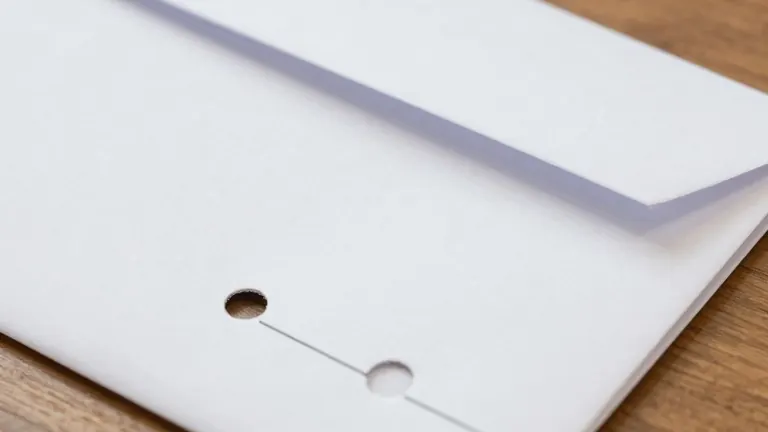
In Ventura County, California, a video circulated showing a punched hole in a ballot return envelope. A man in the video warned viewers that the hole could reveal a vote for Democratic gubernatorial candidate Xavier Becerra if the ballot was inserted in a specific orientation. Simone Seydoux, spokesperson for the Ventura County Clerk-Recorder & Registrar of Voters, explained that the envelopes follow a design standard recommended by the California secretary of state. The two holes serve as an accessibility feature for vision-impaired voters to locate the signature line. One hole allows workers to confirm the envelope is empty and secure stacks with zip ties. Seydoux noted that the 2026 general election ballot consists of three double-sided cards and that voters may fold and insert the ballot in any order.
The California secretary of state’s office confirmed earlier this month that the holes are not intended to expose votes. The office stated that voters who are concerned about visibility can insert their ballots in various ways to hide their choices. The agency emphasized that the holes are a standard part of the envelope design used to assist sight-impaired voters.
In New York City, a TikTok video claimed that a voter at Borough of Manhattan Community College received a ballot missing conservative candidates. The user argued that the two-page ballot was a trick to hide candidates. Kathleen McGrath, a spokesperson for the New York State Board of Elections, clarified that the second page contains four judicial races. In those specific contests, only Democratic and Working Families Party candidates are running because no Republican or Conservative Party candidates were nominated. McGrath explained that the absence of a party line indicates no nomination was filed for that office. She added that New York City has used multi-page ballots for many years and that voters can write in a candidate if they prefer someone else.
The video creator also mentioned not needing to show identification at the polls. McGrath explained that New York voters verify their identity at the polls via signature if their photo ID was already verified during registration. Two bipartisan poll workers review the signature to ensure it matches the voter record. The state board noted that such misinformation spreads quickly online, often driven by a lack of understanding of the secure and transparent process.
Complaints about touchscreen voting machines flipping votes from Democrats to Republicans have also gained attention. David Becker, executive director of the Center for Election Innovation and Research, stated that almost all claims of vote flipping are the result of human error. He compared the issue to mistyping on a phone, noting that it is not a nefarious act. Katina Granger, senior manager of public relations for Election Systems & Software, said the company has not identified a widespread issue with its ExpressVote devices this cycle. She advised voters to notify a poll worker if a printed ballot does not reflect their intended selections so the jurisdiction can follow procedures for replacing it.
Claims that poll workers marking ballots will disqualify votes are also circulating. Pamela Smith, president and CEO of Verified Voting, explained that marking ballots is normal procedure in many jurisdictions. In North Carolina, workers write “P” for provisional or “A” for absentee to identify specific ballot types. In Illinois, ballots are initialed before being issued to voters. Smith urged voters to check their local election official’s website for specific rules and to ask poll workers directly if they have concerns about markings on their ballots.
The next steps for voters include reviewing their jurisdiction’s specific ballot design and voting machine procedures. Election officials in affected states are monitoring social media for new claims and preparing to provide clarifications through official channels and poll worker guidance on Election Day.
Source: WRAZ