3,000 unpaid districts lead flood repairs in Western North Carolina
Supervisors in Haywood, Henderson, and Transylvania counties are directing federal and state funds to stabilize streams and clear debris following Tropical Storm Fred and Hurricane Helene.
By Lauren Mitchell ·
Western North Carolina voters face a low-profile race on the ballot this fall for soil and water conservation district supervisors, a position that carries no salary but directs millions in flood recovery dollars. Bill Yarborough, chair of the Haywood County Soil and Water Conservation District, described the office as a locally led group that identifies specific county needs and finds solutions. Although he is not a candidate this year, Yarborough explained how these unpaid officials have become central to rebuilding the region after two major storms.
The conservation district model originated in 1937 in Anson County, North Carolina, during the Dust Bowl. Hugh Hammond Bennett, an Anson County native, championed the concept after witnessing severe erosion damage farmland. Today, nearly 3,000 districts operate nationwide. In North Carolina, every county belongs to one district. Each district functions as a small unit of local government designed to help landowners prevent erosion and protect water quality. Most districts are governed by five unpaid supervisors, with three elected in nonpartisan races and two appointed by the state. All serve four-year terms.
Supervisors determine how local, state, and federal funds are spent. They prioritize projects such as fencing livestock away from waterways and planting cover crops to stabilize soil. District staff assist farmers in planning these improvements and securing cost-share funding. The state Agriculture Cost Share Program reimburses up to 75% of a project's average cost. Yarborough said the goal is prevention, comparing the work to fire prevention rather than firefighting.
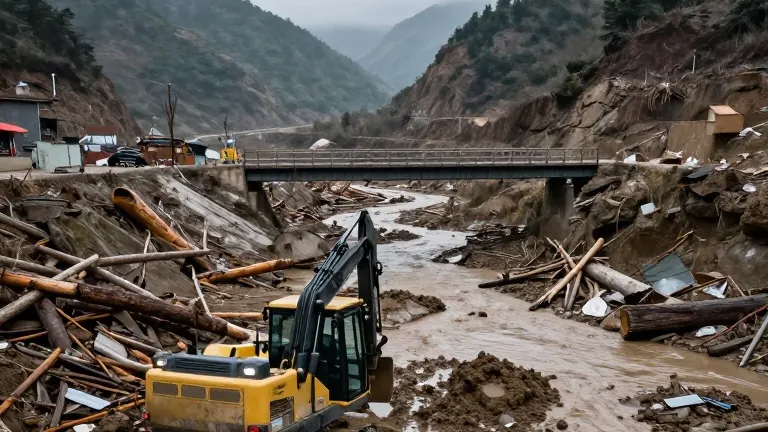
Recent storms forced these districts to shift from prevention to emergency response. Tropical Storm Fred flooded the Pigeon River in 2021, killing six people in Haywood County. The district launched a pilot program that brought in staff from other areas to assess damage and estimate repair costs. That experience proved critical when Hurricane Helene struck later. Yarborough noted that repairs from Fred were still ongoing when Helene hit. The earlier lessons allowed the region to respond more effectively to the larger disaster.
Districts in Henderson and Transylvania counties are now seeking federal emergency watershed funding. The money will clear debris from streams and repair unstable banks that threaten homes, roads, and bridges. State funds are supporting similar repairs in other parts of the region. Yarborough stated that several years of work remain before the necessary repairs are complete.
Yarborough advised voters to ask candidates what the county needs most and whether the district is providing value for tax dollars. He emphasized that soil and water conservation is a human endeavor. Early voting ends at 3 p.m. on Saturday, October 31. Election Day is Tuesday, November 3.
Voters can review their sample ballot using the North Carolina State Board of Elections' Voter Search tool to see which district supervisor candidates appear in their precinct.
Source: WUNC