Professional Organizer Shares Simple Tactics for Taming Paper Clutter
Kacy Paide advises homeowners to start with active documents, use clear deadlines, and simplify filing systems to reduce stress.
By Josephine Clarke ·
Households across Orange County and beyond are facing a common domestic challenge: piles of mail and documents that accumulate on kitchen islands, desks, and dining tables. Kacy Paide, a professional organizer with more than twenty years of experience specializing in paper clutter, says the first step to managing this load is to stop worrying about items hidden in garages or office closets.
Paide recommends focusing immediately on the paperwork closest to hand. "The documents and action items that are on fire tend to be closest to us," she says. The initial task is to sort these nearby items into two distinct piles: active and inactive. Active documents require immediate follow-up, such as paying a bill or making a call. Inactive items, including receipts, birth certificates, and sentimental cards, can be set aside for later review.
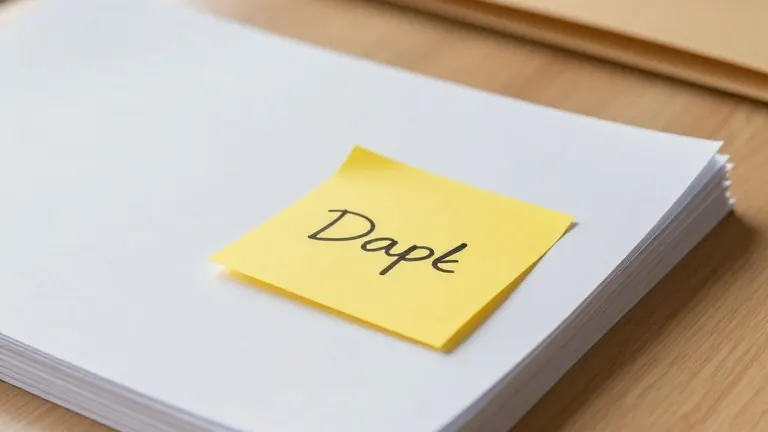
To manage active tasks, Paide suggests writing due dates in bold, permanent marker on a sticky note and attaching it to the document. She advises using specific dates, such as "due by Nov. 15," rather than vague labels like "urgent." This clarity helps identify what needs to be done and when, preventing the term "urgent" from losing its meaning.
For long-term storage, Paide encourages creating a filing system that fits the individual's habits. She prefers simple file folders labeled with sticky notes and permanent markers, allowing for easy changes if the sorting method is adjusted later. Important documents like passports and marriage certificates should be placed in brightly colored folders positioned at the front or back of a file box. This "bookend" strategy ensures these vital papers are easy to spot and access without rifling through other files.
Paide also notes that not all paperwork requires shredding. According to the Federal Trade Commission, documents containing sensitive information such as account numbers, birth dates, passwords, PINs, signatures, or Social Security numbers should be destroyed to protect against identity theft. However, she acknowledges that some people feel comfortable shredding anything with their name and address on it.
For sentimental items like old letters or divorce papers, Paide recommends asking a family member or friend for help. She suggests voicing thoughts about the documents as they are sorted. In her experience, people often reach a decision on whether to keep or toss these items very quickly. She advises dedicating short blocks of time, such as 25 minutes, to the process rather than attempting to organize everything at once.
Source: WBAA