
Wolf howls face new digital translation
A linguist in Wyoming is using artificial intelligence to decode the specific meanings behind wild wolf calls.
By Lauren Mitchell ·
Jeffrey Reed is applying computational linguistics to decode the vocalizations of wild wolves.
Reed holds a doctorate in ancient languages and spent thirty years in Silicon Valley developing software that mimics human speech. He recently returned to his hometown on the edge of Yellowstone National Park to shift his focus toward bioacoustics.
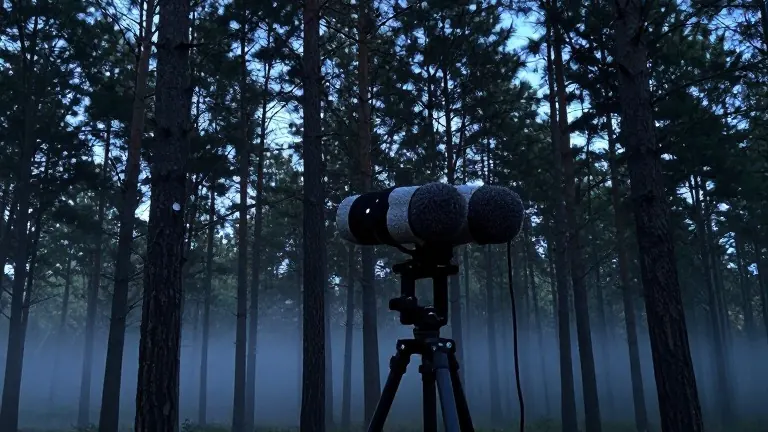
In his new work, he uses artificial intelligence to separate wolf howls from background noise. The goal is to isolate individual signals and determine what each specific sound signifies.
Reed co-founded The Cry Wolf Project, which is currently the largest bioacoustics study of wild wolves. He also co-founded Grizzly Systems, a company that provides the hardware used to monitor wildlife. His book on wolf communication is scheduled for release by Little, Brown and Company.
This research was featured in a segment produced by Phoebe Lett and edited by Sanaz Meshkinpour. The segment is part of the TED Radio Hour series titled Can curiosity save the wild? The episode also includes related content on communicating with sperm whales and imitating nature's voices.
Source: Delaware Public Media