Google DeepMind releases Genie 4 world model with real-time physics
The new system uses Gemini 3.8 Flash to maintain simulation consistency, though stability remains limited to short durations.
By Josephine Clarke ·
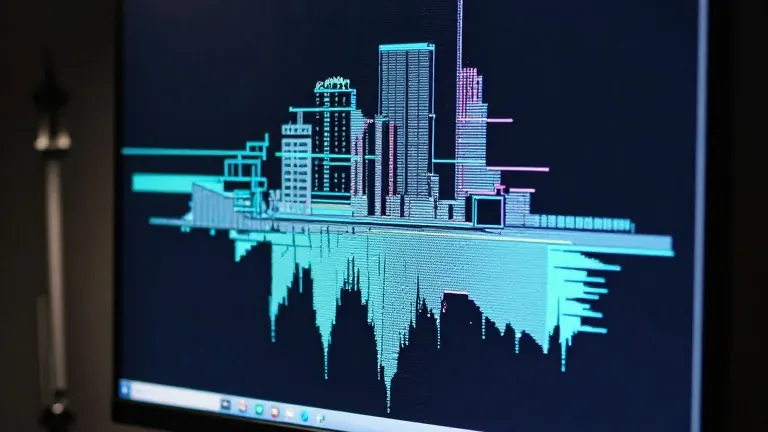
Google DeepMind has released Genie 4, an updated artificial intelligence system designed to generate interactive virtual environments in real time.
The new model builds on the company's previous iteration, Genie 3, which caused a sharp drop in gaming industry stocks when it was revealed last year. While the original version drew skepticism from game developers, DeepMind positions these tools as foundational components for achieving artificial general intelligence rather than direct competitors to traditional video games.
Genie 4 relies on the Gemini 3.8 Flash model to guide the simulation process. This guiding agent breaks down user goals and evaluates each output frame to maintain context. The system allows users to modify parameters during generation, such as changing weather conditions or moving the camera, without requiring pre-rendered assets or programmed interactive elements.
Despite these advances, the simulation consistency has limits. DeepMind indicates that the generated worlds remain stable for only a couple of minutes before the model begins to lose track of its initial state. This short window of stability is a primary constraint for the technology's current utility.
The company suggests that these models could serve as infinite training grounds for physical robots or facilitate rapid prototyping in creative fields. By generating experiences frame by frame as users explore them, the system removes the need for manual environment design. This approach differs from traditional game engines by creating the world dynamically based on user input.
Access to the technology is currently tied to financial investment. DeepMind states that organizations paying Google may gain early usage rights to Genie 4. This commercial strategy mirrors the company's approach to its other AI products, prioritizing enterprise clients for access to the latest capabilities.
The release underscores the ongoing competition among AI labs to develop world models that accurately simulate physical reality. DeepMind’s integration of its own language models into the generation process represents a shift toward self-correcting simulations. The technology remains in a developmental phase, with stability and duration being the key metrics for future updates.
Source: Ars Technica