
NC State researchers map black bear genetics to guide conservation
DNA analysis of 76 bears reveals low genetic diversity in coastal populations, prompting new portable testing tools for state wildlife officials.
By Hiroshi Sato ·
North Carolina State University researchers analyzed DNA samples from 76 black bears to assess genetic health across the state’s primary habitats. The study focused on the mountain and coastal regions, which hold the largest bear populations in North Carolina. Findings indicate that bears in the eastern part of the state possess a lower level of genetic variation than their western counterparts.
Dr. Matthew Breen, a professor in the College of Veterinary Medicine and lead investigator, explained that limited gene flow restricts breeding opportunities. Bears in eastern North Carolina largely mate only with neighbors, resulting in a narrower genetic pool compared to the western population. This disparity could impact the long-term viability of the coastal group.
The research team traced the current genetic profile to historical population declines. Isabella Livingston, a postdoctoral researcher and first author on the study, noted that coastal bears show less recent inbreeding than mountain bears. However, the reduced diversity appears to be a legacy of historic inbreeding when populations were significantly smaller in the late 19th and early 20th centuries.
Physical barriers contribute to the isolation of coastal bears. Highways and residential construction fragment habitats, preventing animals from moving between areas. These obstacles limit the genetic exchange that would otherwise maintain diversity within the population.
The team developed a set of genetic markers known as single nucleotide polymorphisms, or SNPs, to create unique genomic fingerprints for individual bears. These markers allow researchers to identify specific genotypes and determine which population a bear belongs to. The tools also enable tracking of movement, identifying when a bear has been relocated to a different part of the state.
Breen stated that the genetic profile allows officials to spot bears that have been moved from one region to another. The distinct markers make such animals stand out from the local population. This capability provides a method for monitoring translocation efforts and managing population dynamics without relying solely on visual identification.
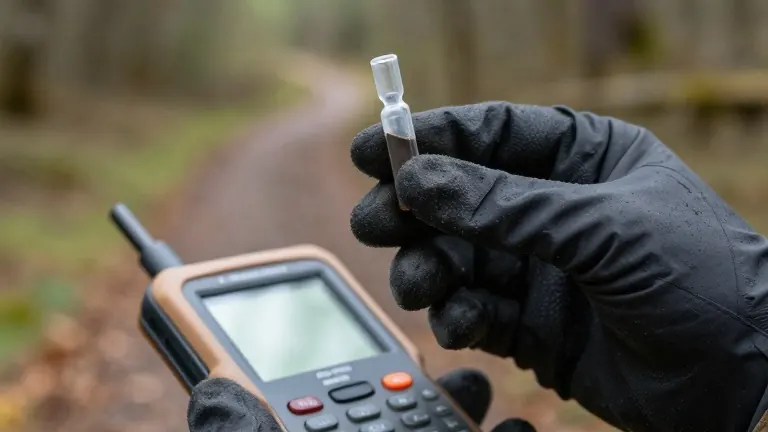
The university team is currently collaborating with the engineering school to build handheld devices for point-of-care testing. These tools will allow field biologists to collect small samples, such as hair follicles or cheek swabs, and analyze them directly in the field. The project aims to provide state wildlife officials with faster data for conservation planning.
Researchers also plan to expand the study to include other bear species, such as brown bears and polar bears, to support international population management. For the immediate future, the focus remains on refining the portable testing equipment to support ongoing monitoring of North Carolina’s black bear population.
Source: WUNC
More Business · Scam Watch · Report a business · Got a Story?