DEA approves 900 medical marijuana shops
Federal registration opens the door for tax deductions that state-licensed dispensaries have been unable to claim for decades.
By Lauren Mitchell ·
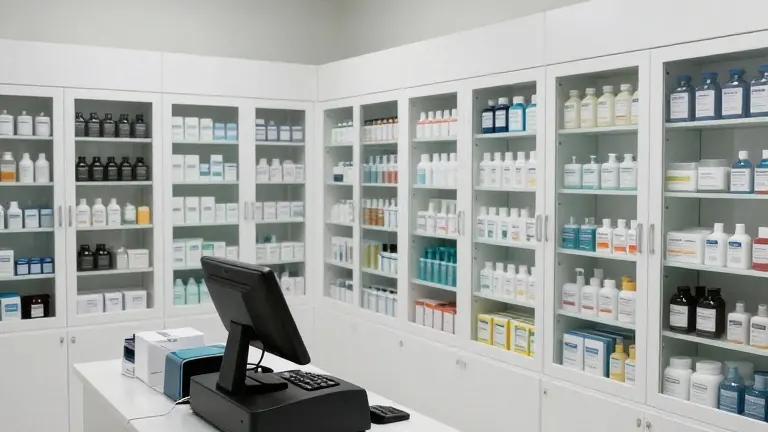
The Drug Enforcement Administration issued its first-ever registrations to medical marijuana dispensaries on Friday. The move covers more than 900 state-licensed shops in Alabama, Florida, Mississippi, South Dakota, Texas, Virginia, and West Virginia. The Justice Department announced the approval in a news release but did not name the specific businesses that received the green light.
Attorney General Todd Blanche said the regulated distribution of cannabis for medical use from these shops will help ensure access to chronic pain treatment and the safety of the American people. The registrations follow an order Blanche signed in April. That order shifted the federal classification of state-licensed medical marijuana from Schedule I to Schedule III. Schedule I is reserved for drugs with no accepted medical use and a high potential for abuse, such as heroin. Schedule III is less strictly regulated.
This change largely legitimizes medical marijuana programs in the 40 states that have adopted them. It also created an expedited system for state-licensed producers, manufacturers, and distributors to register with the DEA. Businesses must pass a pre-registration investigation. They must also maintain specific security, recordkeeping, and inventory controls for handling controlled substances.
The most immediate financial benefit is tax relief. For years, state-licensed cannabis businesses could not deduct normal business expenses on their federal returns. These expenses included advertising, rent, and labor costs tied to sales. Because the drug was classified as federally illegal under Schedule I, the IRS denied these deductions. Many in the industry described this financial burden as crippling. Federal registration is expected to change that status.
The DEA published a list on Friday showing that nearly 7,000 other cannabis dispensaries, manufacturers, and distributors across the country have applied for registration. Steph Sherer, founder of Americans for Safe Access, noted that the approvals arrived just days before California marked the 30th anniversary of becoming the first state to legalize medical marijuana. Sherer said in a written statement that the federal government is finally recognizing the dispensaries that patients fought to establish. She called it a tremendous victory for patient access and an opportunity to build on 30 years of progress.
Uncertainty remains about how the DEA will regulate these businesses. State-licensed medical marijuana operations function differently from typical Schedule III drug companies. It is not yet clear what specific requirements the agency will impose. Some industry attorneys noted that state regulators have often allowed people with some criminal history to run licensed marijuana businesses to mitigate the effects of the drug war. It is unclear whether the DEA will adopt that same approach.
Many states have merged their recreational and medical marijuana industries. The Trump administration has sought to reschedule marijuana more broadly, but it remains unclear how the DEA will treat businesses that handle both adult-use and medical cannabis. Currently, 24 states plus Washington, D.C., authorize adult recreational use. 40 states have medical marijuana systems, and eight others allow low-THC cannabis or CBD oil for medical use. Only Idaho and Kansas ban marijuana outright.
Chris Lindsey, vice president of policy and state advocacy at the American Trade Association for Cannabis and Hemp, said it is a positive step to see the program taking shape. He noted that the industry is watching closely to see what new obligations will arise now that companies are operating in this new federal class.
Source: WXXV 25
More Business · Scam Watch · Report a business · Got a Story?