Caregiver Burnout: Strategies to Keep Family Conversations Civil
Experts advise stepping away before escalation and viewing difficult behavior as a signal rather than a personal attack.
By Cecilia Martin ·
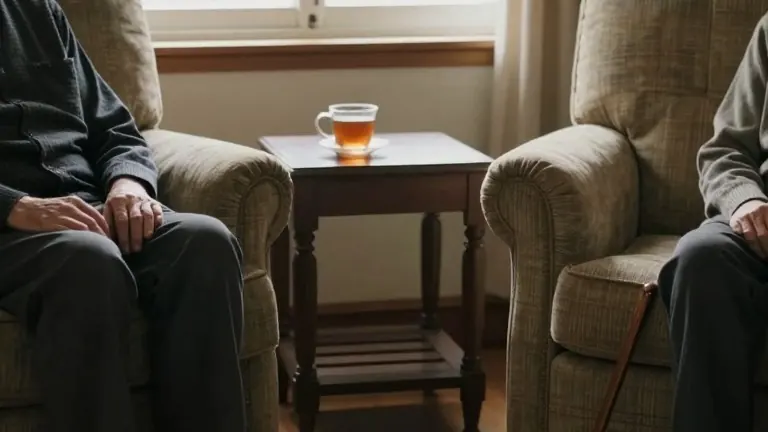
Tension in the home can quickly turn sharp words into lasting resentment for family caregivers. Experts from the Aging Untold program outlined specific communication tactics on October 30 to help maintain dignity and reduce conflict in these high-stress situations. The advice focuses on recognizing physical signs of stress, changing how caregivers interpret behavior, and managing their own emotional responses.
Gerontologist 'Sam' Cradduck said the first step when a conversation begins to escalate is to leave the room. 'You have to step away. You really do,' Cradduck said. 'You’ve got to let yourself calm down.' Aging well coach Katherine Ambrose added that caregivers should watch for physical cues such as feeling hot, shaky, or having a tense jaw. She described these yellow flags as signs that the nervous system is reaching its limit.
Cradduck urged caregivers to view the behavior of the person they are caring for as a signal of what is happening internally. 'Their communication is really behavior,' Cradduck said. 'You’ve got to figure out what’s going on that’s causing the frustration.' She noted that unspoken expectations often lead to conflict. If a caregiver assumes someone knows what they want, that expectation can turn into spoken resentment, causing the caregiver to yell at a person who does not realize there is a problem.
Amy O’Rourke, an aging expert, identified specific words that can worsen a situation. These include no, you, always, never, and don’t. She emphasized that tone is just as important as vocabulary. Cradduck agreed, stating, 'It’s not just what you say, it’s how you say it.' Ambrose advised that changing one's tone can improve the entire day. She stated that all drama and conflict stem from miscommunication.
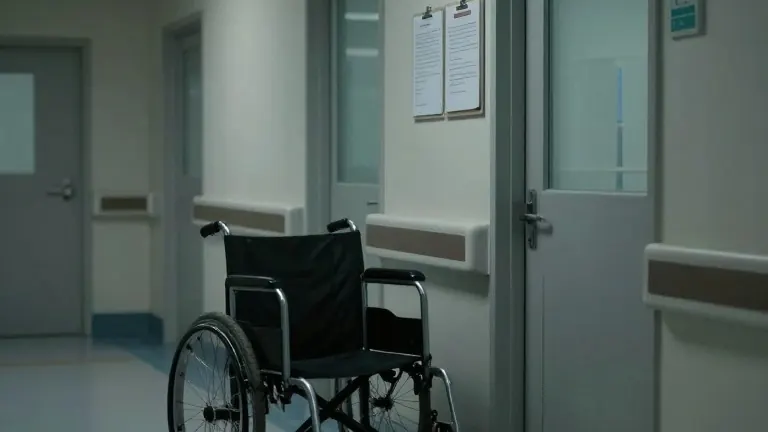
O’Rourke shared a personal example from a visit to her father in a nursing home. Her father was upset about a missing wheelchair key, and staff members were frustrated with his reaction. O’Rourke found a key, turned it on the chair's arm, and it worked. Despite her training, her heart rate increased in the moment. She realized she did not need to be right. 'I can let go and be with him where he is,' O’Rourke said. Dr. Rhea Rogers, a board-certified physician, noted that misunderstandings cause people to second-guess themselves, which can spiral into anger.
The experts also addressed the role of negative self-talk and venting. Ambrose observed that Facebook groups for caregivers often contain low-level energy from people complaining about the care recipient. This can make the caregiver more miserable. Cradduck, however, said she values these groups because they provide a safe place to vent before entering a room. She warned that negative thoughts, such as believing a person never listens, often lead to hurtful words.
Rogers said that underlying fear is something caregivers do not discuss enough. She suggested that naming the fear can help. O’Rourke added that venting frustrations to someone else helps a caregiver feel more balanced for the next interaction. The experts recommended going into conversations without a specific outcome in mind. O’Rourke said a caregiver who seeks a specific result will lose, while one who aims for a successful connection can build on that moment.
Cradduck cautioned against treating adults like children. 'When you’re trying to parent or you’re trying to correct them like you would a child, then you’re creating a conflict because they’re not going to be happy,' Cradduck said. She described the caregiver's role as being the peaceful adult who keeps the calm, even when it is difficult. The goal is to reclaim agency and let go of old relationship dynamics to prevent burnout.
Source: Hawaii News Now