
How a 1961 ballad became a global phenomenon
A new film opens the Tokyo International Film Festival, exploring the history of the song that sold 13 million copies worldwide and topped the US charts in 1963.
By Cecilia Martin ·
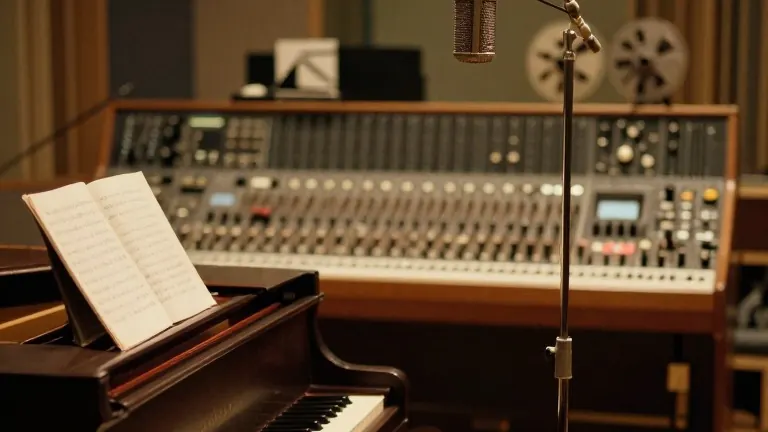
More than 13 million copies of a single 1961 Japanese ballad have been sold worldwide, a figure that underscores its status as a cultural anomaly. The song, known globally as "Sukiyaki," is the subject of a new drama that opens the 2026 Tokyo International Film Festival on October 27.
Directed by Takahisa Zeze, the film traces the origins of the track to 1961. It focuses on composer Hachidai Nakamura, portrayed by Junichi Okada, and lyricist Rokusuke Ei, played by Tori Matsuzaka. The pair created the melody and words for a song titled "Ue o Muite Aruko," which translates to "I look upwards as I walk." The lyrics drew inspiration from the failure of mass protests against a US-Japan security treaty, capturing a mood of melancholy amidst national recovery.
The song’s initial performance was accidental. Singer Kyu Sakamoto received the sheet music just two hours before his debut at Tokyo’s Sankei Hall on July 21, 1961. Unrehearsed, he altered the rhythm and key, adding ad-libbed elements that defined the recording. Released as a single, it became the best domestic song in Japan from November 1961 to January 1962, selling 300,000 copies locally.
International success arrived through chance. In 1962, Louis Benjamin of Pye Records visited Japan and recorded an instrumental version with Kenny Ball and his Jazzmen. That track reached the British top ten in February 1963. Capitol Records then released Sakamoto’s original Japanese version in the US on May 3, 1963. It topped the Billboard Hot 100 for three weeks in June, making Sakamoto the first Asian artist to achieve a US number one. That record stood until BTS released "Dynamite" in 2020.
The song’s legacy persisted through Sakamoto’s death in a 1985 plane crash, which remains the deadliest single-aircraft disaster in history. His track has since been used in various media, including a 2011 Ghibli film and the closing ceremony of the 2021 Tokyo Olympics. The new film releases in Japan on Christmas Day, aiming to reunite the on-screen trio that Sakamoto had hoped to bring back together before his death.
Source: The Hollywood Reporter